“Buy SEO” sounds simple. But unlike buying a product off a shelf, you’re not getting a concrete thing with a guaranteed outcome. You’re buying services, expertise, and effort — applied to a system (Google’s algorithm) that no one fully controls.
Understanding what you’re actually paying for is the first step to making a smart decision.
What you’re actually buying when you “buy SEO.”
SEO is not a single product. It’s a category of services aimed at improving your visibility in search engine results. What you’re buying depends on the provider, and the range is wide:
Content creation: Blog posts, landing pages, and other content designed to rank for specific keywords. Good content targets real search queries your audience is making and provides genuinely useful answers.
Link building: Acquiring backlinks from other websites to your site. Links from authoritative, relevant sites signal to Google that your content is trustworthy and worth ranking. This remains one of the most important ranking factors.
Technical SEO: Auditing and fixing the structural elements of your website that affect how search engines crawl and index it. Site speed, mobile-friendliness, crawl errors, indexing issues, schema markup — the behind-the-scenes work that makes everything else possible.
On-page optimization: Improving individual pages to better target specific keywords. Title tags, meta descriptions, header structure, internal linking, keyword placement. Foundational work that many sites get wrong.
CTR optimization: Improving how often searchers click on your listing when it appears in results. This is an increasingly important factor — Google’s Navboost system uses click data to adjust rankings, as confirmed during the 2023 DOJ antitrust trial.
Most comprehensive SEO campaigns include some combination of all of these. No single service covers everything.
Red flags that should make you walk away.
The SEO industry has a well-earned reputation for bad actors. Before you spend money, watch for these warning signs:
“We guarantee first-page rankings.” No one can guarantee this. Google has said so explicitly. Their own guidelines warn against providers who make ranking guarantees. If someone promises you a specific position, they’re either lying or they don’t understand how search engines work.
“You’ll see results in days.” SEO typically takes months to produce meaningful results. Three to six months is a realistic timeline for most campaigns. Anyone promising fast results is either using risky tactics or setting expectations they can’t meet.
“Our methods are proprietary/secret.” Good SEO providers are transparent about what they do. If a provider won’t explain their approach, there’s usually a reason — and it’s rarely a good one. Secret methods often mean black-hat tactics that can get your site penalized.
No reporting or vague metrics. If a provider can’t show you clear data on what they’re doing and what results it’s producing, that’s a problem. You should expect regular reports with specific metrics: ranking changes, traffic trends, backlinks acquired, technical issues fixed.
Suspiciously low prices. Quality SEO requires real expertise and real labor. If someone is offering comprehensive SEO for $50/month, ask yourself what kind of work that budget actually pays for. The answer is usually “not much.”
What good SEO providers do differently.
Legitimate providers share a few common traits:
Transparency. They explain what they’ll do, why they’ll do it, and how they’ll measure success. They don’t hide behind jargon or proprietary claims.
Realistic timelines. They tell you upfront that SEO takes time. They set expectations for 3-6 months out, not 3-6 days.
Data-driven decisions. They use tools like Google Search Console, Google Analytics, and rank tracking software to measure results and adjust strategy. They don’t guess — they measure.
Honest about limitations. They acknowledge that no SEO tactic comes with guarantees. They explain what the evidence supports and where uncertainty exists. This isn’t a weakness — it’s the only honest position anyone can take about search engine optimization.
Why CTR is an increasingly important piece of the puzzle.
Most first-time SEO buyers focus on content and backlinks. Those are important. But there’s growing evidence that user engagement signals — specifically, how often searchers click on your listing and how they interact with your page afterward — play a significant role in rankings.
“Clicks are the main signal used by Navboost.”
— Eric Lehman, Google engineer, DOJ v. Google antitrust trial (2023)
Google’s 2024 API leak further confirmed this, exposing production variables called “goodClicks,” “badClicks,” and “lastLongestClicks” in Google’s ranking code. CTR isn’t a theory — it’s documented in Google’s own systems.
Most SEO strategies completely overlook this signal. That’s both a gap and an opportunity.
Where SerpClix fits in.
We want to be clear about what SerpClix is and isn’t. We’re not a replacement for comprehensive SEO. We don’t do content creation, link building, or technical audits. If your site has fundamental problems — thin content, poor technical health, no backlink profile — those need to be addressed first.
What we do is provide the one SEO signal that most strategies miss: real organic search clicks from real humans. Our network of over 400,000 clickers search for your target keywords on Google and click on your listing. This produces the exact user behavior signals that Google’s Navboost system uses to adjust rankings.
Think of SerpClix as a complement to your broader SEO strategy, not a substitute for it. The best results come when the fundamentals are already in place — good content, solid technical health, relevant backlinks — and CTR provides the additional signal that pushes you past the competition.
Realistic expectations for buying SEO.
Whether you’re buying content, links, technical work, or CTR optimization, keep these in mind:
• SEO takes time. Expect 3-6 months for meaningful results. Anyone promising faster is likely cutting corners.
• There are no guarantees. Google’s algorithm considers hundreds of factors. No single tactic can promise a specific outcome.
• Quality costs money. Cheap SEO is almost always bad SEO. Real expertise and real labor have a real cost.
• Measure everything. Use Google Search Console and Google Analytics to track your baseline and measure changes. If your provider can’t point to specific, measurable improvements, that’s a problem.
The best approach to buying SEO is the same as buying anything else: understand what you’re getting, verify that the provider is credible, set realistic expectations, and measure the results.
SerpClix uses real human clickers to boost your organic CTR. Start your free trial or log in to your dashboard.
Is SEO Worth It in 2021?
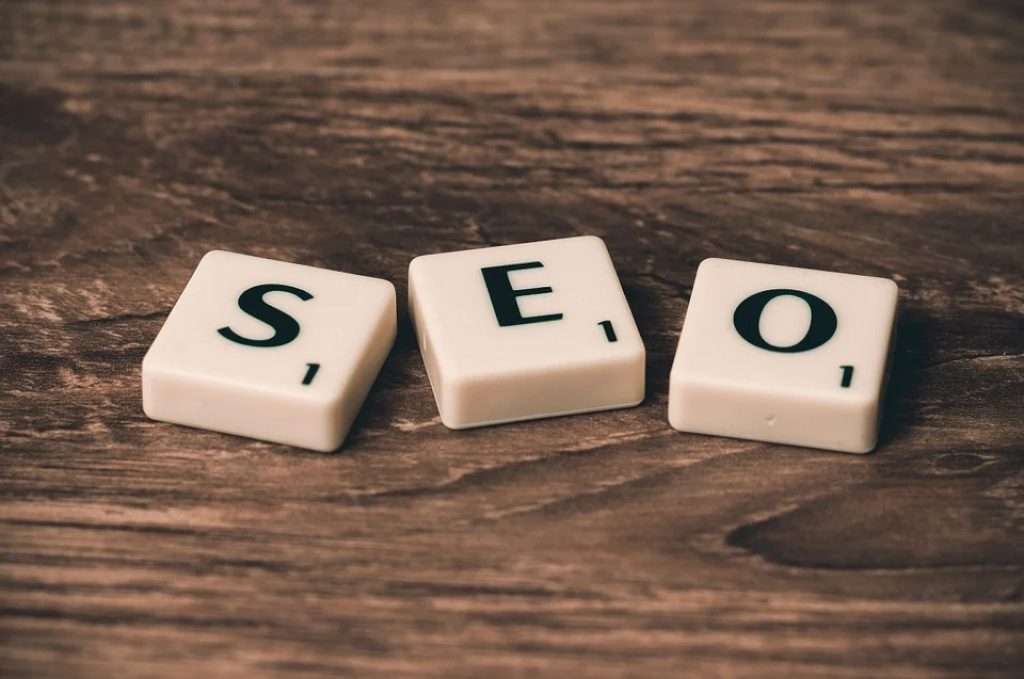
If you have a website for your business or organization, or you’ve got an online presence for your personal brand, you might be wondering whether SEO is worth it in 2021. After all, times are tough due to the economic fall-out caused by the COVID-19 pandemic.
Plus, you don’t want to spend any money on marketing or advertising-related services and software unless they are essential. With that in mind, is SEO worth it in 2021? In short, the answer is yes. Here’s why:
Organic Traffic Is Still Important
Before paid online advertising became popular, web users looked for relevant content by querying a search engine like Google or Yahoo! and clicking on a relevant link. The thing is, organic traffic is still as important in 2021 as it was in 2001 and earlier.
Many, if not most, of today’s Internet users, have a basic understanding of how search engines work. They also understand that “sponsored,” or PPC (pay-per-click) ads are placements paid for by advertisers.
With those thoughts in mind, Internet users will often trust organic search results page links than sponsored ones. It’s also worth noting that many Internet users have ad-blocking browser extensions, so PPC ads might not even show up in search results.
Most Organic Traffic Occurs via a Web Search
Did you know that most website traffic occurs from organic web searches? A study from Brightside Research points out that just over 53% of all site traffic originates from an organic search in Google or other search engines.
That same study also concludes that organic search continues to dominate, despite more people visiting websites from other means like PPC advertising on search engines or other websites and organic search media links.
One of the reasons organic traffic is still the leader for link referrals is due to Google’s heavy investment in its search technology. As you’ve probably guessed, Google is the premier search engine, with a whopping 92% global market share.
SEO Helps Site Owners Create a Good User Experience
Another reason SEO is still worth it in 2021 is that it helps site owners create a good user experience. Google and other search engines include user experience as part of their search algorithms, and they can influence a link’s standing in relevant search engine results pages.
For example, Google announced in May 2020 that page experience has now become part of its ranking algorithm. The “signals” that form part of this algorithm update include page loading speed, interactivity, mobile-friendliness, and visual stability.
What that means for site owners is they have to ensure all page content makes sense to visitors and that it loads quickly and easily, both on desktop and mobile platforms. Essentially, SEO is helping site owners deliver a positive user experience.
If you don’t want your visitors to go elsewhere or complain about the quality of the content they view on your site, SEO is one way to keep your content in check.
How Much Does SEO Cost?
SEO is quite a broad topic and is a term that covers a range of techniques website owners can use to improve the perception of their sites to visitors and search engines alike. Because of that fact, there’s no single unit price you can attach to SEO.
The following explains some of the elements that form part of the overall cost of search engine optimization:
SEO Work Carried Out
One of the leading factors that influence the cost of SEO is the type of service you buy. As you can imagine, you can buy SEO software, or you can buy SEO links if you want to increase the number of external sites linking back to yours.
You can buy SEO services online tailored for specific purposes. However, the one fact that sets them all apart is what they offer for the money. Some companies provide managed solutions where they carry out various techniques on your behalf to improve your site’s SEO.
There are also various options available where you can apply a DIY approach to search engine optimization. For example, you can buy SEO tools that you run on your computer or in a web browser, and you do any on-site or off-site changes yourself.
Cost Structure
Another element that influences how much you pay for optimization is how you get charged when you buy SEO services. There are four main ways that you might get charged for any SEO work:
- One lump-sum price, applicable to both software and services;
- An hourly rate, if you work with a multi-technique SEO consultant or agency;
- An ongoing subscription where you pay per month, quarterly, or annually;
- A “freemium” cost structure, where you only pay for specific features.
There is also no set price for each type or category of SEO software or service that you use, so it can be tricky to determine an average cost given the different pricing models that every provider uses.
When considering the cost of buying SEO services, it’s also worth pointing out that the prices you pay could be subject to seasonal discounts or promotions.
Ongoing Costs
Lastly, ongoing costs can also influence the overall price of SEO and how much a website or project’s SEO is likely to cost. Many SEO service providers offer “maintenance” packages as search engine optimization is seldom a “fix it and forget it” technique.
A Guide to Buying SEO Services Online
When it comes to buying SEO services online, you might be unsure which options or techniques are right for you, your website, and your organization. The following is a breakdown of the types of SEO services that might benefit your website and business:
Website Redesign
It’s not just enough to have people visit your website. You must also keep them on your site and aim to have them follow your CTA (call-to-action). One of the ways to achieve that goal is with a clean, clear website design that works well on desktop and mobile platforms.
If you use a content management system like WordPress, you can have a custom “theme” designed for your website. Alternatively, it’s possible to buy off-the-shelf themes and customize them according to your requirements.
Content Creation
You might have a stunning website design, but what content have you got on there? If you’ve only got minimal or basic content, one SEO service that will be useful to you is content creation.
In a nutshell, this is where you hire a professional copywriter to curate relevant content that packs a punch and keeps your audience hooked. They can also write content around your CTAs, such as sign-up forms or “Buy Now” buttons.
Generally speaking, the more relevant content you’ve got on your website, the higher the likelihood of boosting organic clicks from search engines like Google.
Web Server Optimization
Another SEO service offered by many industry professionals is web server optimization. This is where the technical aspects of your hosting platform get tweaked and help improve the speed at which your content loads.
Examples of web server optimization services include enabling file compression, implementing a CDN (content delivery network), and stripping out unnecessary HTML code from your website pages.
Link Building
Having relevant links to your pages from high-quality websites is essential to boosting your organic SEO. Some optimization professionals offer a link-building service that helps you achieve that goal.
It’s crucial you avoid any blackhat SEO providers, as you’ll only get low-quality links, and they could even get your site penalized by Google. An SEO professional would approach the owners of high-quality sites and ask them to link to your site from relevant pages.
Never pay for backlinks, especially from providers that do not disclose the sites used.
Targeted Organic Traffic
Lastly, your SEO campaign should involve a targeted organic traffic service, such as what we offer at SerpClix. Part of Google’s algorithm for defining link placement on SERPs includes measuring the number of visits made from each link.
At SerpClix, we only use 100% real people to click on the desired links to your site from SERPs. There are no “bots” allowed or used, and our service ensures you have an increased CTR (click-through rate) to boost organic traffic from Google.
We have over 100,000 real human beings that help us provide this service, and you can choose clickers from any country or language.
Conclusion
The Internet is awash with SEO services. It makes sense to choose the right ones for your needs, and hopefully, with our handy guide above, you can select the best ones that offer excellent value for money.
Please note: there are no guarantees in search engine optimization, ever. There are innumerable factors that can affect search engine rankings. All SEO efforts can involve an element of risk. SerpClix employs real human clickers, so we think our service is far less risky than trying to use automated or robotic click methods. But, like all SEO strategies, there is an element of risk because Google’s algorithm is unknown and subject to change at any time. For more information please see our FAQs.